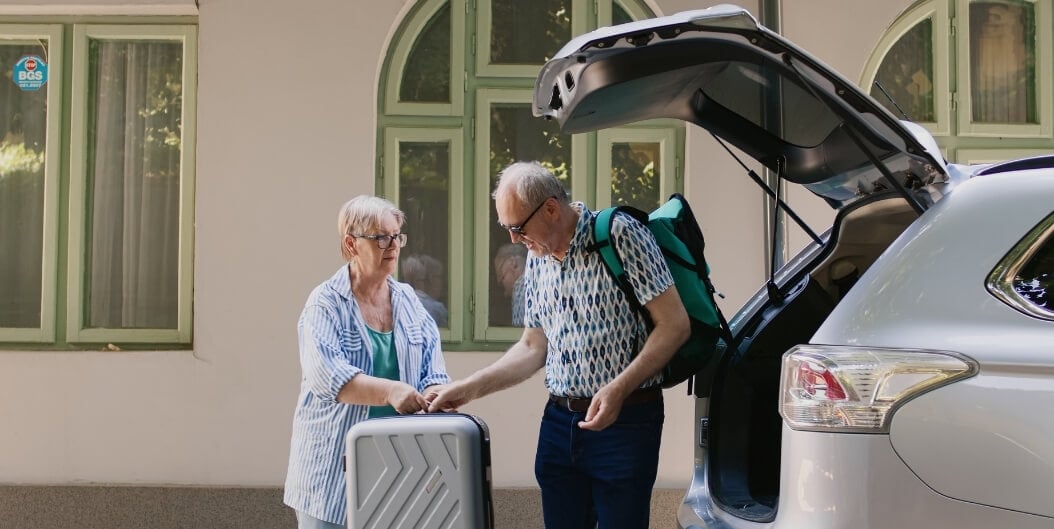
Can Active Seniors Bring Their Cars When Moving to a Retirement Living Community?
One of the most common questions people ask when considering a retirement living community is surprisingly simple.
Can I still keep my car?
For many active seniors, driving represents freedom. It allows you to visit family, attend appointments, run errands, and explore the local area on your own schedule. After decades of independence, the idea of giving up a vehicle can feel like a major lifestyle change.
The good news is that in many retirement living communities, residents are welcome to bring their cars. Independent living communities, in particular, are designed for active seniors who still enjoy maintaining control over their daily routines.
Still, there are a few things worth understanding before making the move. Each community may have different parking arrangements, policies, and transportation options. Knowing what to expect can help you decide what works best for your lifestyle.
Why Many Active Seniors Choose to Keep Their Cars
Retirement living communities are often located near shops, restaurants, parks, and healthcare providers. While communities frequently provide transportation services, many residents still prefer the flexibility of having their own vehicle.
Keeping a car allows residents to:
- Visit family and friends whenever they choose
- Run personal errands independently
- Attend medical appointments outside scheduled transportation times
- Explore local attractions and activities
For seniors who remain confident drivers, maintaining access to a vehicle can help preserve a strong sense of independence.
At the same time, living in a retirement community can gradually reduce how often you need to drive. Many daily needs are already available close to home.
Parking Options in Retirement Living Communities
Most retirement living communities understand that residents may arrive with their vehicles. Because of this, parking is typically part of the community’s design.
Parking arrangements often include options such as:
- Resident parking lots close to living areas
- Covered parking spaces or carports
- Designated accessible parking for mobility needs
- Guest parking for visiting family and friends
Some communities may offer reserved parking spaces or optional garage parking for an additional fee. Others include standard parking as part of the living arrangement.
When touring a community, it is helpful to ask where residents typically park and how accessible the parking areas are from their apartments.
Convenience and safety are both important factors to consider.
Transportation Services May Reduce the Need to Drive
Even when residents do bring their cars, many drive much less than they had in the past.
Many retirement living communities also offer scheduled transportation to shopping trips, local outings and medical appointments. These services make it easier for residents to get around without the hassle of traffic, parking or personal vehicle maintenance.
Transportation programs often have trips to grocery stores, pharmacies and local restaurants. Many of these communities have group excursions to local attractions or events.
As these services are available, some residents slowly decide to use their personal vehicles less.
There is still the option for driving. The necessity of doing so often diminishes.
The Benefits of Driving Less in Retirement
Many older adults find that retirement living makes their daily life easier in ways they had never anticipated.
Instead of traveling across town for social activities, residents can often walk to community events or shared spaces. Culinary within the community, activities, and wellness programming may all occur within the community.
This shift helps ease the daily stress of driving.
Some benefits residents notice include:
- Less time spent dealing with traffic or parking
- Lower fuel and vehicle maintenance costs
- Reduced stress during busy travel times
- Easier access to nearby activities and amenities
Residents still have the freedom to drive when they want to. They simply have more alternatives available.
Safety Considerations for Older Drivers
While many seniors drive safely for years, it’s also crucial to reevaluate driving comfort and ability every so often.
Age can compromise reaction time, vision, and mobility. And these changes could decrease normatively how confident someone feels behind the wheel.
Families frequently urge elderly drivers to be mindful of how they are feeling behind the wheel. Routine physical exams, regular vision testing, and realistic self-assessment can all help to keep driving safe.
Some older adults choose to gradually restrict their driving to familiar roads or daylight hours. Some eventually decide to depend on local transportation services.
Demands and transitions are part of life; retirement living offers flexibility.
When Residents Choose to Stop Driving
One of the perks of relocating to a retirement living community is that transportation options are already established.
If a resident eventually chooses to stop driving, they don’t suddenly lose access to the destinations that matter. Community transportation programs can keep helping with errands, appointments, and outings.
For family members, it can be a relief knowing their loved one still has reliable transportation options available.
For many seniors, this transition is more seamless as they still remain social and active in the community setting.
Questions to Ask When Touring a Retirement Living Community
If keeping your car is important to you, there are a few helpful questions to ask when visiting potential communities.
You might consider asking:
- Are residents allowed to bring personal vehicles?
- Is parking included or does it require an additional fee?
- Are parking spaces close to the apartments?
- Does the community provide transportation services?
These are some questions that can help you assess how transportation is integrated into the daily life of the community.
Most retirement living communities seek to be flexible enough that residents can retain independence while enjoying the services offered.
Independence and Convenience Can Coexist
One of the most common misconceptions when it comes to retirement living is that it restricts your independence.
In fact, independent living communities are created for those seniors who still live an active and self-reliant lifestyle. Residents have agency about how they spend their time, what activities to partake in and whether they drive or take community transportation.
Bringing a car is pretty much one more way residents remain entirely in charge of their day-to-day routines.
Over time, many residents appreciate having both options available.
Looking to Make a Move to an Independent Living Community? Come Explore Retirement Living With the Freedom to Drive at Elison Independent Living of Orchard Glen
If you’re researching retirement living and want to know how things like transportation and daily independence work in a community setting, visiting in person can provide helpful insight.
At Elison Independent Living of Orchard Glen, residents enjoy a welcoming environment designed for active seniors. Comfortable apartments, engaging social opportunities, and convenient amenities help residents maintain an independent lifestyle while enjoying the benefits of community living.
Residents can always keep their cars, and yet take advantage of the provided scheduled transportation services for their social outings and to nearby amenities throughout Orchard Park.
Schedule a visit to Elison Independent Living of Orchard Glen today to see it all for yourself how you can maintain your independence and reap all the benefits of worry-free retirement living within a supportive community environment.